

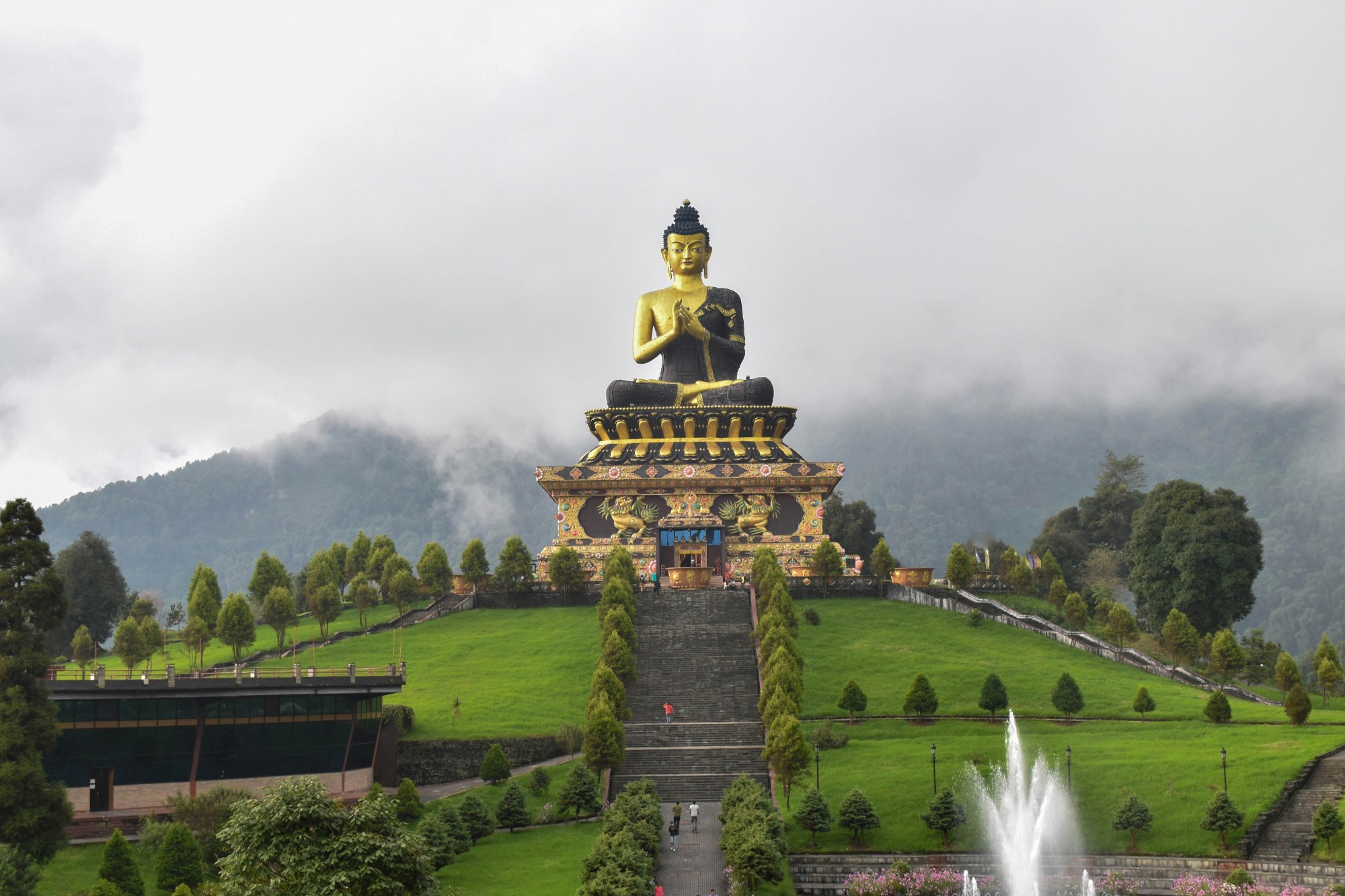
Peak Season (March to June): this peak season is marked by vibrant blooming rhododendron valleys, vibrant alpine wildflowers, pleasant weather, and accessible mountain passes. Ideal for families, couples, and sightseeing.
The best time to visit Sikkim is either during the spring season, which typically is between March to June, or the autumn season which falls between September and November. These two primary seasonal windows guarantee open roads, pleasant daytime temperatures, crystal clear Himalayan views, and fully functional military checkpoint clearances for high-altitude excursions.
Peak Season (March to June): this peak season is marked by vibrant blooming rhododendron valleys, vibrant alpine wildflowers, pleasant weather, and accessible mountain passes. Ideal for families, couples, and sightseeing.
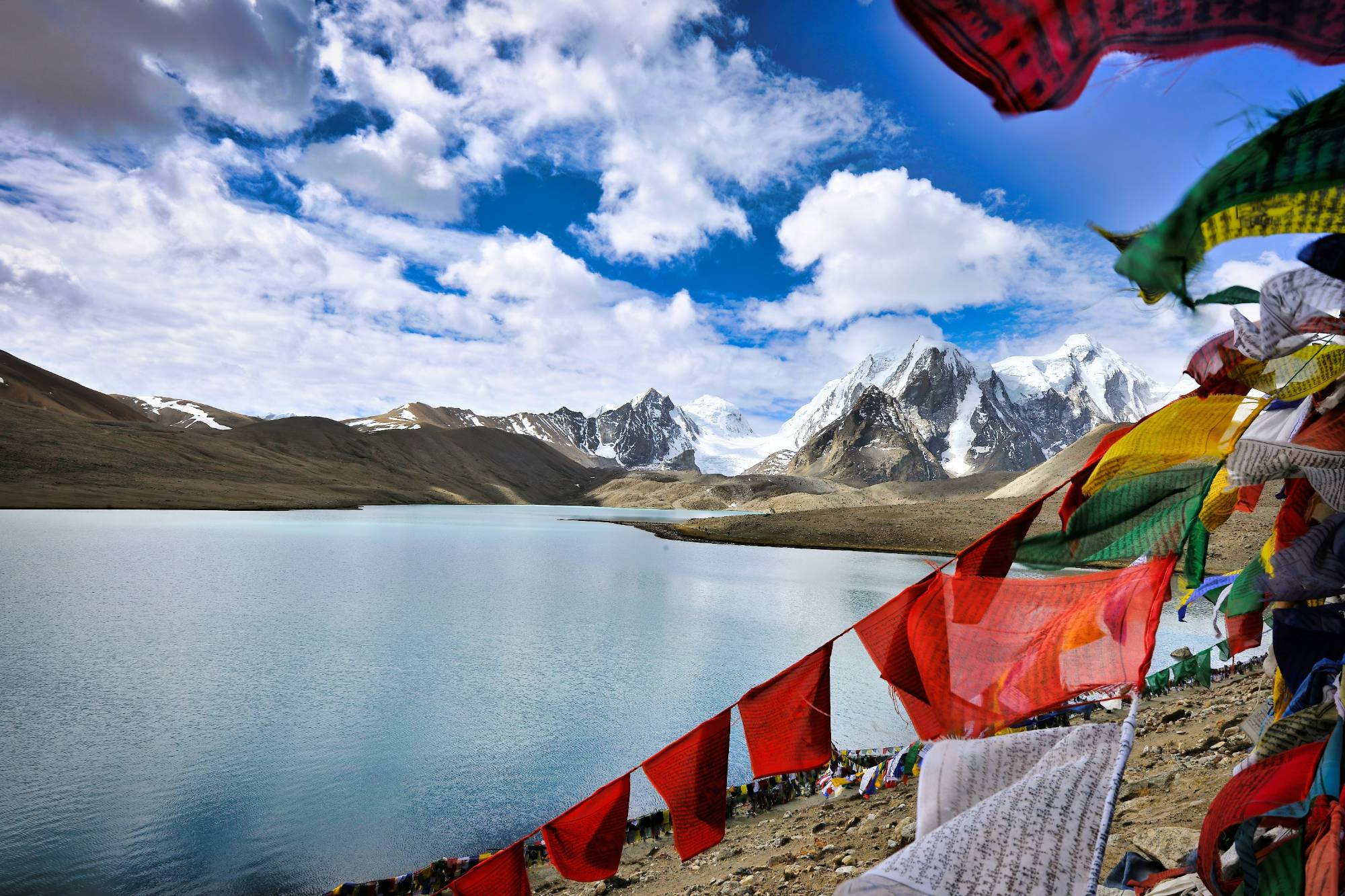
Autumn Season (October to early December): this season is typically marked by crystal-clear, azure blue skies, razor-sharp views of the majestic Mount Kanchenjunga, dry roads, and prime trekking conditions. This is the perfect season for photography, high-altitude treks and explorations, and cultural festivals.
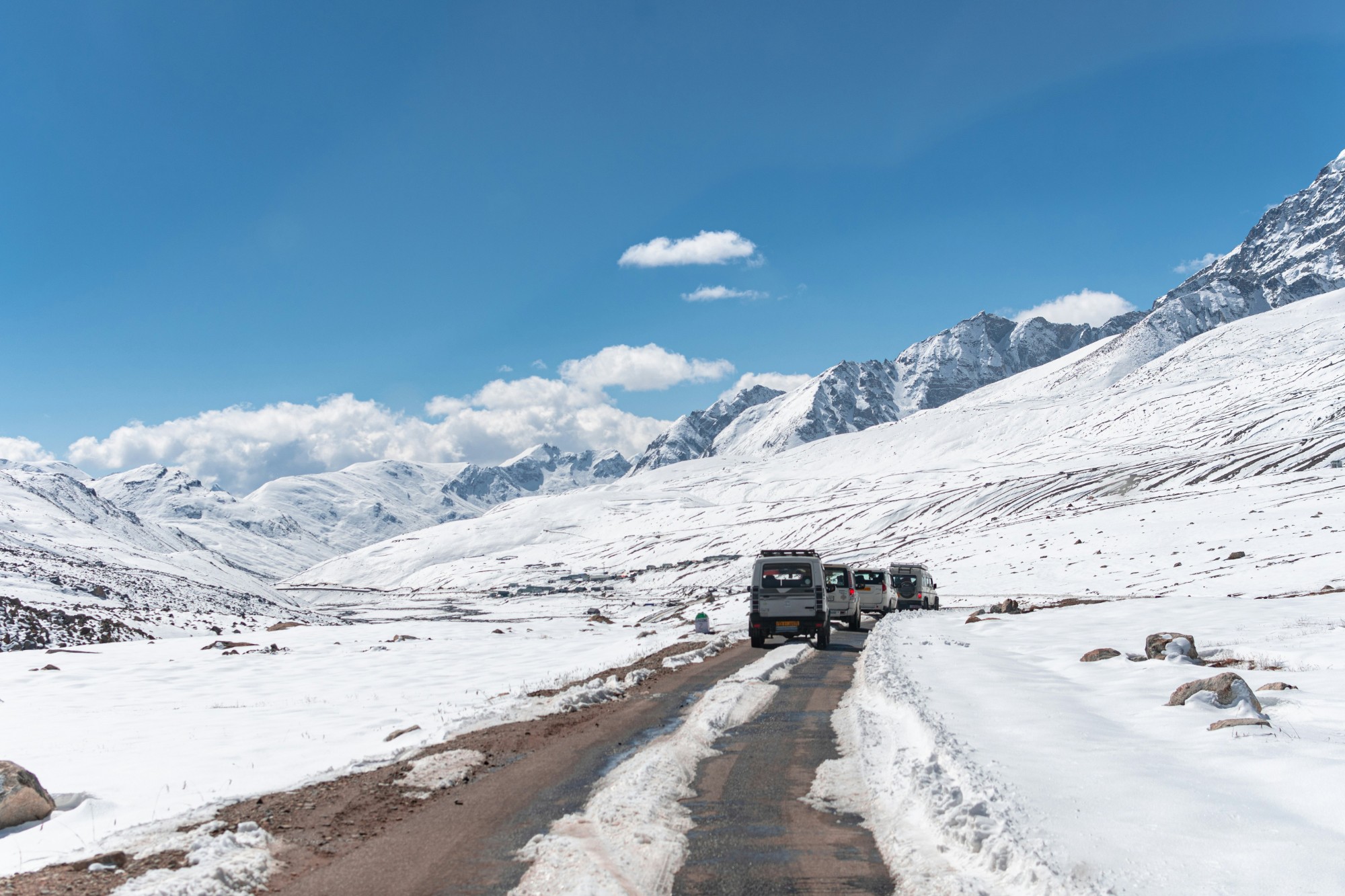
Winter Season (mid-December to February): the winter season is welcomed with crisp sub-zero air, high chances of snowfall, frozen lakes, and dramatic snow landscapes across North and East Sikkim. This season is ideal for snow lovers, honeymooners, and off-beat explorers.
Monsoon Season (July to September): Heavy rains, misty green landscapes and swollen waterfalls, are significant markers of the monsoon season in Sikkim, when you can enjoy the amazing off-season hotel discounts. It is best to restrict your trip to lower-altitude towns like Gangtok, Namchi, and Kalimpong, due to high-altitude landslide risks.
March to June
Open
July to September
NH-10 and northern passes prone to mudslides and periodic blocks
October to early December
Open
mid-December to February
Open
March to May and October to November usually offer the best overall conditions for Sikkim travel.
October to December generally offers the clearest views of Mt Kanchenjunga, especially during early mornings.
You can experience snow usually between December and March, mainly at Tsomgo Lake, Nathula Pass, Yumthang Valley, Zero Point and higher parts of North Sikkim, depending on weather and road access.
March to May offer typically the best flowering landscapes with best seasonal attractions with vibrant Rhododendron blossoms across the Yumthung Valley
Better value or fewer crowds for your Sikkim trip is best experienced between June and September, typically the monsoon season, allowing you to enjoy better hotel rates, although weather conditions vary.
Plan your Sikkim itinerary and arrange the trip with all hotel and transport in advance, arrange all the necessary permits through authorized operators and keep 1 extra day for weather-related disruptions
You get to experience four distinct seasons in Sikkim, due to varied elevations which shift from mild, blooming valleys to sub-zero alpine passes.
The Spring and Summer season in Sikkim is all about experiencing pleasant sunshine, clear roads, and blooming vibrant rhododendron valleys. You will get to experience Gangtok’s temperature ranging somewhere from 12°C to 22°C, while northern valleys like Lachen and Lachung have an average temperature of 8°C to 20°C. However, you will feel the High passes like Zero Point and Gurudongmar experiencing somewhat cooler weather with temperature between 0°C and 10°C.
The Autumn season in Sikkim is all about the crispness in the fresh mountain air, with razor-sharp visibility of the panoramic Mt. Kanchenjunga, and dry trekking routes. In this season, Gangtok experiences a moderate temperature which typically ranges between 10°C and 18°C, northern valleys however remain cool with temperatures ranging between 5°C and 15°C, and high passes experience a dip in the temperature between -2°C and 4°C with night freezes.
Active snowfall with frozen glacial lakes, and freezing weather, are all you will experience in Sikkim during the winter season. Here, Gangtok stays between 4°C and 12°C, while temperatures in the northern villages fall between -5°C and 7°C and temperature typically plunges in the high-altitude passes from -10°C to -20°C.
Heavy rainfall, dense fog, and lush green hills, accompanied by frequent roadblock risks on high-altitude circuits is very common in Sikkim if you are planning to visit here during the monsoon season. Temperatures in the lower valleys range from 16°C to 24°C, while that in the high elevations, drop to 4°C to 8°C.
Temperature is usually between 6 to 15°C with cold mornings and nights, gradually milder afternoons; occasional rain or high-altitude snow.
Late-winter calm, snow scenery at elevation, and early signs of spring.
Monastery tours, scenic drives, photography, heritage walks, and permitted snow sightseeing.
Temperature is usually between 9 to 18°C with pleasant spring days, cool evenings, and intermittent showers.
Early vibrant rhododendron and magnolia blossoms; refreshing spring greenery.
Nature walks, flower photography, tea-garden visits, monastery sightseeing, and lower-altitude hikes
Temperature is usually between 12 to 21° with mild to warm days, cool nights, and occasional pre-monsoon rain
Prime spring flowering season, especially vibrant rhododendron blossoms in North and West Sikkim
Vibrant Rhododendron blossoms, nature photography, hiking, village stays, and cultural sightseeing.
Temperature is usually between 14 to 22°C with comfortable in hill towns, warmer at lower elevations, rainfall and cloud cover increase
Lush valleys, spring-to-summer greenery, and late high-altitude flowers.
Valley excursions, scenic drives, waterfalls, village visits, and hiking on safe trails.
Temperature is usually between 16 to 23°C with humid with frequent rain, monsoon usually strengthens during the month
Fresh green hills, active waterfalls, misty landscapes, and quieter stays.
Tea-garden visits, indoor cultural attractions, monastery visits, and short flexible nature walks.
Temperature is usually between 17 to 23°C with peak monsoon rainfall, dense mist, high humidity, and elevated landslide risk
Deep greenery, dramatic clouds, and powerful waterfalls with fewer visitors. Also, landslides and roadblocks are very frequent
Café hopping, local cuisine, handicrafts, monasteries, and photography from safe viewpoints.
Temperature is usually between 17 to 23°C, with persistent monsoon showers, fog, and possible road disruptions.
Misty forests, abundant greenery, and peaceful off-season atmosphere
Wellness stays, tea experiences, cultural visits, food exploration, and flexible short walks
Temperature is usually between 16 to 22°C, with wet early in the month, gradually clearer later but occasional showers remain.
Monsoon retreats, bringing in exceptionally green landscapes, and improving visibility late in the month
Scenic photography, cultural sightseeing, gentle hikes, and post-monsoon nature exploration.
Temperature is usually between 12 to 21°C with pleasant days, cool evenings, and generally clearer skies after the monsoon.
Excellent mountain visibility, autumn scenery, and a popular festival travel period
Kanchenjunga viewing, trekking, scenic drives, monastery visits, and high-altitude day trips.
Temperature is usually between 8 to 18°C with dry, crisp days, cold nights, and strong prospects for clear views
Clear mountain panoramas, golden autumn hues, and quieter travel after peak holidays.
Sunrise photography, trekking on suitable routes, village exploration, and monastery tours
Temperature is usually between 5 to 15°C with cold and generally dry, frosty mornings. However, snowfall is possible in higher areas
Winter holidays, snowy high mountains, and clear-sky photography opportunities.
Winter sightseeing, cosy homestays, cultural visits, local food, and weather-dependent snow trips
The best time to visit Sikkim based on travel interest is all about selecting the right time to either witness and experience snowfall and frozen lakes, or enjoy a great high-altitude trek, or even enjoy a discount, especially for budget travellers.
If you wish to experience deep and active snowfall with frozen alpine water bodies, the best time to visit Sikkim for frozen lakes and snowfall is between mid-December and February. The following are the places where you can enjoy the fullest:
If you are a Trekker, you must target Sikkim during these two distinct windows, where one is the Spring season (April to May) and the other, the Autumn season (October to November).
If you are a couple who is looking for scopes to enjoy romantic scenery, quiet mountain retreat, and snow-filled vistas in Sikkim, then you will find this search getting fulfilled anywhere from October through April. This is the best window to enjoy Sikkim, especially for honeymooners and couples.
If you are looking for some cost-effective trips to Sikkim, then the best time you can target to visit Sikkim is during the monsoon season and the off-season months, which is typically from June to September and late February.
If you are planning a visit to North Sikkim, which covers iconic tourist places like Lachen, Lachung, Yumthang, and Gurudongmar, then, the ideal travel windows for you to decide this trip is either between April to May, when you can enjoy a scenic view of the vibrant rhododendron blossoms covering the valleys with clear roads, or from October to November, when you can enjoy the sharp visibility of the panoramic mountain peak, with dry routes, and accessible high-altitude lakes. But, it is best advised to avoid the peak monsoon months of July and August due to heavy landslide hazards with frequent roadblocks, as well as mid-winter season, when you can encounter sub-zero pass closures. Conversely, if you plan for a East and West Sikkim trip that covers Gangtok, Pelling, Ravangla, and Namchi, these iconic tourist places remain comfortably accessible nearly round the year, with March to June and September to January offering the best conditions for you to experience pleasant sightseeing, cultural circuits, and panoramic Kanchenjunga views without having to experience any extreme logistical risks or severe road blocks typical of the far north.
Snow / Cold (Passes fluctuate)
Vibrant Rhododendron (Peak blooms)
Monsoon (high Landslide risk)
Sharp, clear skies
Freezing & early snow
Cold / Snow (Tsomgo)
Pleasant & clear
Misty rains
Crystal panoramas
Crisp winter
Chilly & clear
Warm & flowering
Green & humid
Clear Kanchenjunga views
Sunny & pleasant
Because North Sikkim is located at an extreme altitude which is between 8,800ft and 17,800ft., the seasonal changes in this region of Sikkim undergo drastic changes unlike the rest of this State. Also, such diverse variations are not so much there in East, West or South Sikkim, where temperatures remain more or less average round the year.
Get the seasonal comparisons of different travel regions of Sikkim to plan your trip to Sikkim in their best time to experience the best of Sikkim!
Ideal months to visit are April to May (for blooming rhododendrons in Yumthang Valley) and October to November (for crystal-clear lake views and open passes).
Ideal months to visit are March to first-week of June for pleasant weather and leisurely sightseeing, and September to January to enjoy unobstructed Kanchenjunga views and clear skies.
Extreme high-altitude climate. Summers range from 8°C to 20°C in valley hamlets to 0°C to 10°C at high frontiers; winters plunge sharply between -5°C and -20°C.
Moderate sub-Himalayan climate. Spring and summer stay comfortably between 12°C to 22°C, while winter remains chilly yet sunny with daytime highs of 4°C to 14°C.
Highly volatile and the High-altitude routes, passes, and lake circuits are prone to abrupt army closures, heavy snowdrifts in deep winter, and severe monsoon mudslides.
Highly stable with Arterial roads connecting Gangtok, Pelling, Ravangla, and Namchi remain open and fully motorable across all seasons without snowbound pass closures.
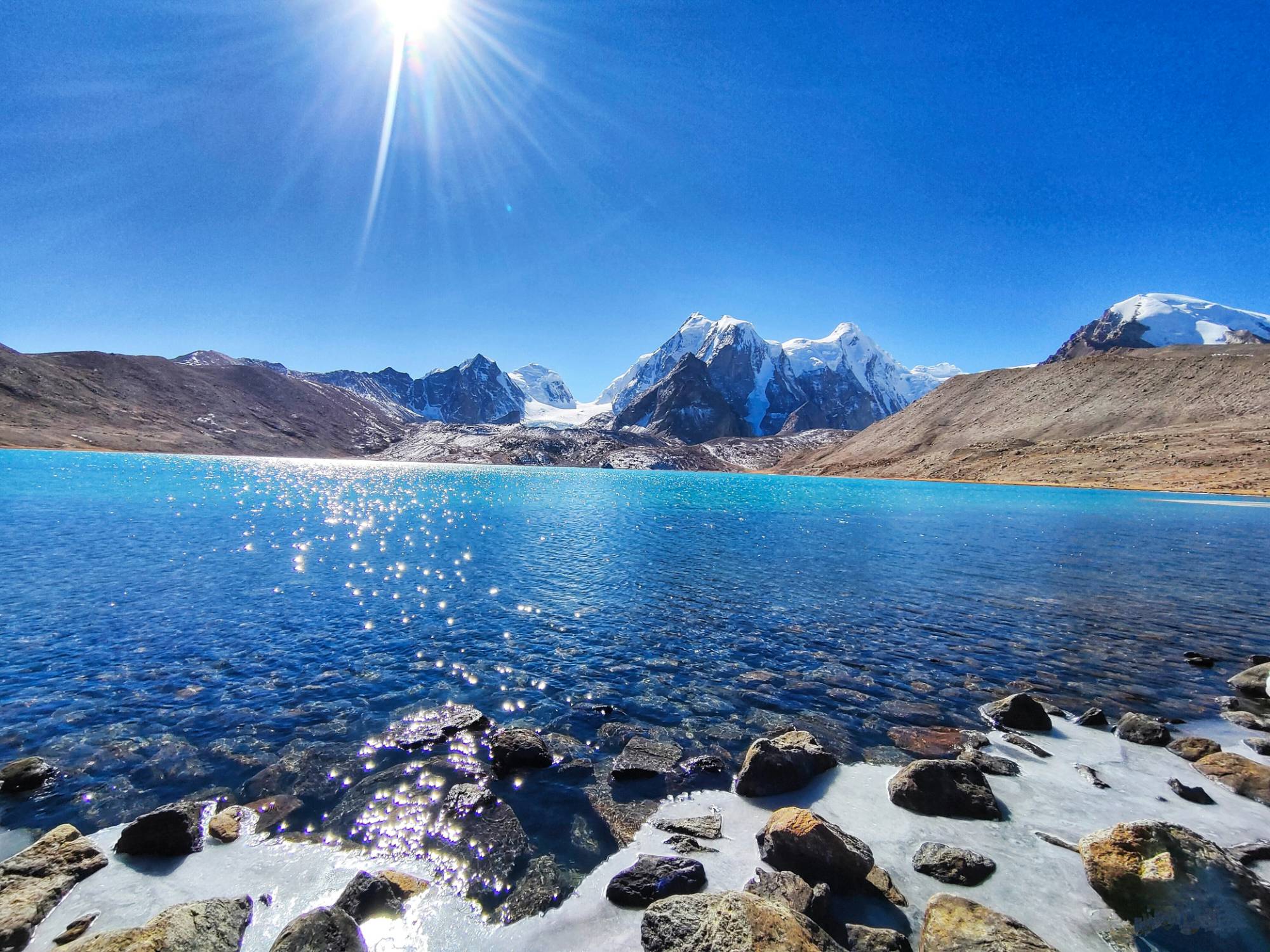
Spring wildflower blooms in Yumthang, which is popularly known as “Valley of Flowers”, frozen turquoise waters at sacred Gurudongmar Lake, and deep snow adventures at Zero Point.
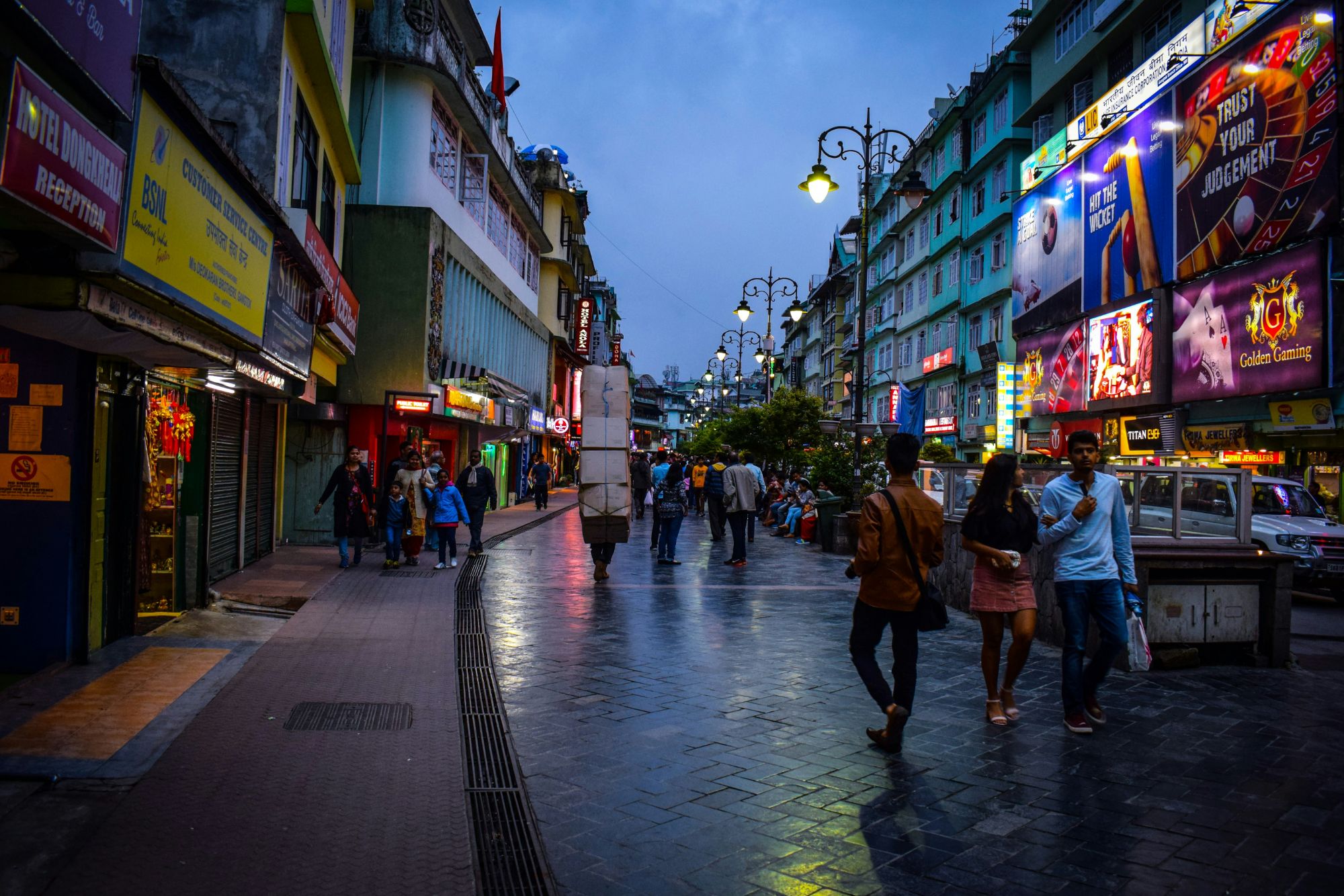
Sharp sunrise panoramas over Mount Kanchenjunga, monastery cultural tours, cable car rides, skywalks, and sprawling tea garden excursions.
High risk. Heavy downpours along the Chungthang and Mangan stretches frequently trigger roadblocks, mudslides, and sudden permit cancellations.
Moderate. While heavy showers and misty delays occur on the national highway, town centers, resorts, and major heritage monuments remain fully operational.
High. There exist Strict Protected Area Permits (PAP), which are mandatory for all travelers, civilian access requires military clearance, and specialized 4x4 or high-ground-clearance SUVs are required.
Minimal. Domestic travelers require no special inner line border permits for standard city sightseeing, and routes are easily navigated by standard cabs and family cars.
There are few best times to visit different regions of Sikkim, which is why we have curated a seasonal breakdown which will help you match your travel plans with the ideal weather, blooms, and clear mountain views across North, South, East, and West Sikkim.
Spring/Summer season: remains typically pleasant (15°C to 22°C), ideal for sightseeing & cable cars.
Autumn: Clear, dry skies; cool days with crisp evenings
High-altitude passes get clearance by April.
Avoid July–August (monsoon landslides) and Jan–Feb (heavy snow road blocks).
High-altitude permits required year-round
Winter visits strictly depend on weather clearance and military permission.
Spring: Mild daytime temperatures (12°C to 20°C).
Autumn/Winter: Cleanest horizon for monastery tours and photography.
Comfortable temperatures for walking tours at Buddha Park and Chardham
Crisp autumn visibility against the Himalayan ridge
Autumn: Most stable gravel roads with clearest valley views
Avoid Jan–mid-March due to severe snow closures at Thambi & Kupup.
Traveling during transitional months, like during the monsoon season is the best time to visit Sikkim on a budget, with major discounts on stays and private vehicle rentals without sacrificing road access or safety. So, if you are planning a budget trip to Sikkim, avoid planning them during the peak seasons to keep transportation and accommodation costs low.
April – June, October – mid-November
Very High
40%–70% surge in hotel and transport prices
High hotel occupancy, premium rates for private cab permits, crowded viewpoints.
Late February – March, Late November – mid-December
Moderate
20%–35% discount
Favorable weather, lower vehicle tariffs, great room deals, manageable crowd levels.
July – August (Monsoon), January – early February (Deep Winter)
Very Low
Up to 50%–60% drop in hotel and transport prices
Lowest room rates, high bargaining power for transport, but subject to weather-related road disruptions.
Selecting the best time to visit Sikkim with Family or as a Couple is all about balancing gentle weather for easy travel to different regions across Sikkim, against unique landscapes of Sikkim, with one covered with flowers, and the other shrouded with snow.
March to May
No bone-chilling cold, provides smooth vehicle transit, comfortable access to gardens, ropeways, and cultural centers.
October to mid-December
Crystal-clear visibility of the Kanchenjunga range, vibrant blooming autumn cherry blossoms, and cozy boutique resort stays.
December to February
Best opportunity to witness heavy snowfall and frozen lakes without undertaking high-risk multi-day treks.
April to May
Roads to extreme high-altitude spots are cleared of heavy snow, and sub-alpine valleys are filled with wildflowers.
To have a safe visit to Sikkim, you need to follow certain legal aspects, essential travel tips and permit guidelines to ensure a hassle-free Sikkim tour experience, to the high altitudes, get smooth clearance for exploring the protected areas, have monsoon landslides and road safety precautions.
Protected Area Permits (PAP) are strictly mandatory when you are exploring the high-altitude border zones like Nathula Pass, Tsomgo Lake, Lachen, Lachung, Yumthang Valley, and Gurudongmar Lake. If you are an Indian traveler, you must carry a valid physical Voter ID, Passport, or Driving License along with 4 to 6 passport-size photographs. Do keep in mind that at the military checkpoints, the Aadhaar or PAN cards are not accepted as valid IDs. However, if you are a Foreign citizen, you are required to acquire an Inner Line Permit (ILP/RAP), alongside a PAP. Also, foreigners are permitted to explore these border zones only if they travel in groups of at least two, which is arranged via registered tour operators. However, foreign nationals are restricted to visit only Lachung and Yumthang Valley, as Gurudongmar Lake and Nathula Pass remain closed to foreigners.
You must pack multi-layered thermal innerwear, fleece mid-layers, and a heavy windproof down jacket for autumn and winter, when the high passes reach sub-zero temperatures. Also, it is a must for you to bring sturdy trekking footwear with deep rubber treads, UV sunglasses for snow glare, and high-SPF sunscreen. And in case you are traveling during the monsoon season, you must pack waterproof rainwear, sturdy umbrellas, and anti-slip walking shoes.
Getting hold of local high-ground-clearance SUVs with experienced hill drivers for rugged northern routes is the best you can have to ensure a safe road journey. Besides this, monitor every information related to NH-10, especially during peak monsoon season, from July to first week of September to maintain safety and precaution during landslides. Also, drink 3 to 4lts of water, daily, to prevent AMS (Acute Mountain Sickness) when you get over 10,000ft.
The best time to visit Sikkim is from March to May for pleasant weather and blooming valleys, or from October to mid-December for crystal-clear mountain views and open passes.
The best month to visit Sikkim is October, as it is widely considered to offer dry weather, comfortable daytime temperatures, and razor-sharp visibility of Himalayan peaks.
Yes, March is a good time to visit Sikkim as it brings crisp spring days, early rhododendron blossoms in lower valleys, and lingering snow at higher passes like Tsomgo Lake and Zero Point.
Yes, April is a good time to visit Sikkim as it is the ideal time, when peak spring carpets the iconic Yumthang Valley with vibrant blooming rhododendrons while roads across the state remain fully accessible.
Yes, May is a good time to visit Sikkim as it offers pleasant weather and late alpine blooms, making it a great time for family travel before heavy monsoon showers begin.
Yes, October is a good time to visit Sikkim as it is considered widely the prime travel season featuring pristine azure skies, post-monsoon greenery, and unbeatable panoramic views of Mount Kanchenjunga.
Yes, November is a good time to visit Sikkim as it provides stable, dry weather and excellent mountain visibility, accompanied by chilly evenings and fewer crowds than October.
The best time to visit Sikkim for snowfall is from late December to February, which is the best window for experiencing active snowfall and frozen lakes at high-altitude zones like Tsomgo Lake, Katao, and Zero Point.
The best time to visit Sikkim for flowers is from April to mid-May, which is widely considered as the peak blooming window when Yumthang Valley and Barsey Sanctuary are ablaze with vibrant, wild rhododendrons and primulas.
The best time to see Kanchenjunga is from October to December, which offers the clearest skies and lowest atmospheric haze for unobstructed views of Kanchenjunga from Pelling, Gangtok, and Ravangla.
No, monsoon is not a good time to visit Sikkim as July and August bring heavy rainfall, dense fog, and frequent landslides along NH-10 and northern routes that often cause permit cancellations and frequent landslides and roadblocks.
The cheapest time to visit Sikkim is during the off-season, which is primarily the monsoon season, spanning from July to early September, and late winter (February), when you get amazing offers like lowest hotel rates and discounted vehicle hire.
The best time to visit North Sikkim is from April to May, for vibrant rhododendron blossoms and October to November, for clear access to Gurudongmar Lake and Zero Point.
A 5 to 7-day Sikkim trip is enough to comfortably explore Gangtok, Tsomgo Lake, and the high-altitude highlights of North Sikkim like Lachen and Lachung.
Cookie preferences
Choose which cookies we can use. You can change this anytime from Cookie Settings in the footer.
Required for the site to work — security, enquiry form submissions and remembering your cookie choice. These can’t be switched off.
Help us understand how visitors use the site — pages viewed, time spent and where visits come from — so we can improve it. Reports are aggregated.
Used to show you relevant Sikkim tour ads on other websites and social media based on your visit here, and to measure how well our ads perform.